Analog-Tales Presents:
A LOCAL’S GUIDE:
TOP #1
S E R I E S # 1

S O V I E T D R O C H I A M A P
A BREIF HISTORY:
#1 Pioneer Camp "Yasnaya Polyana"
DROCHIA
1965 r.
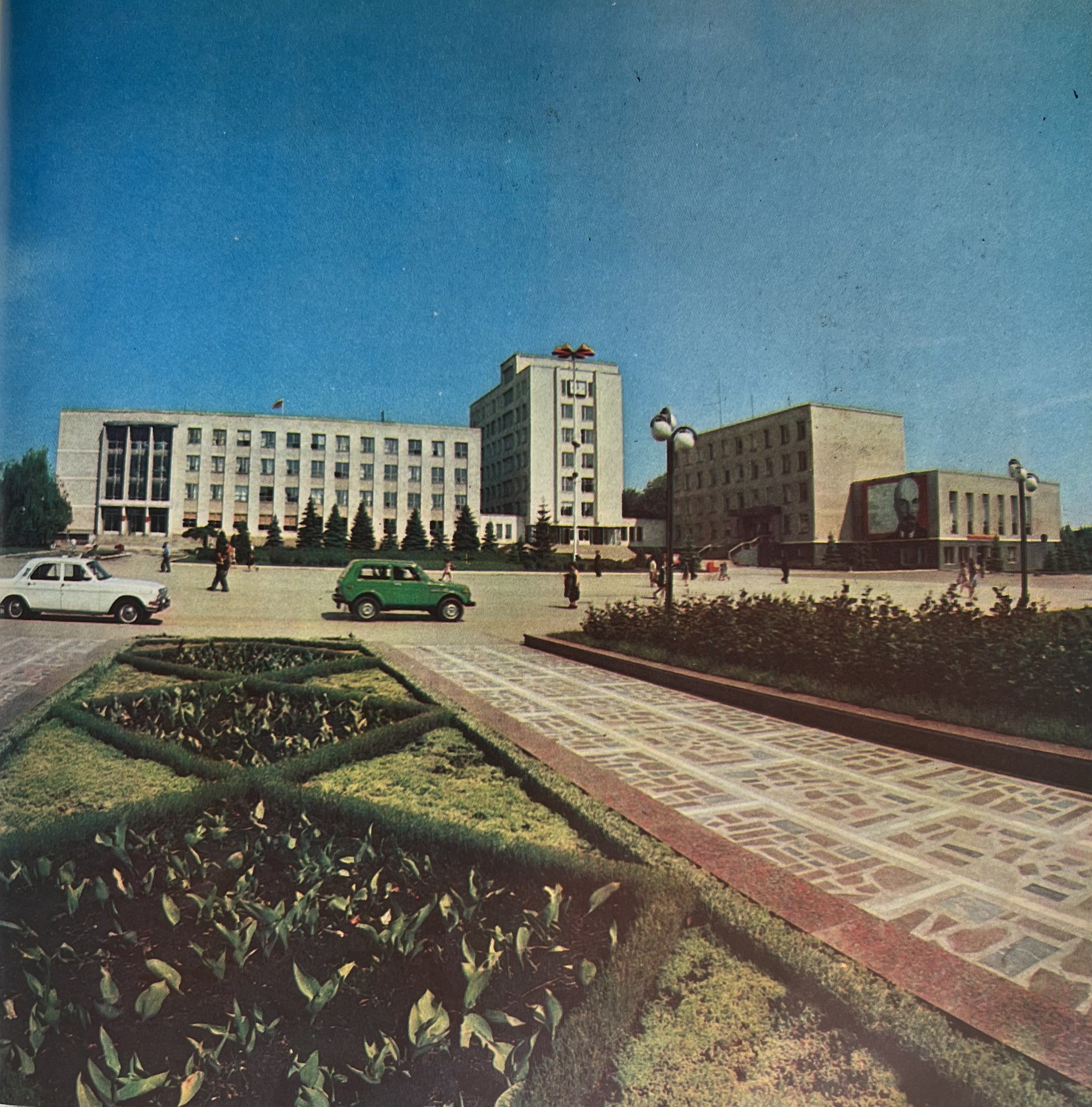
Drochia sets the adventure off!
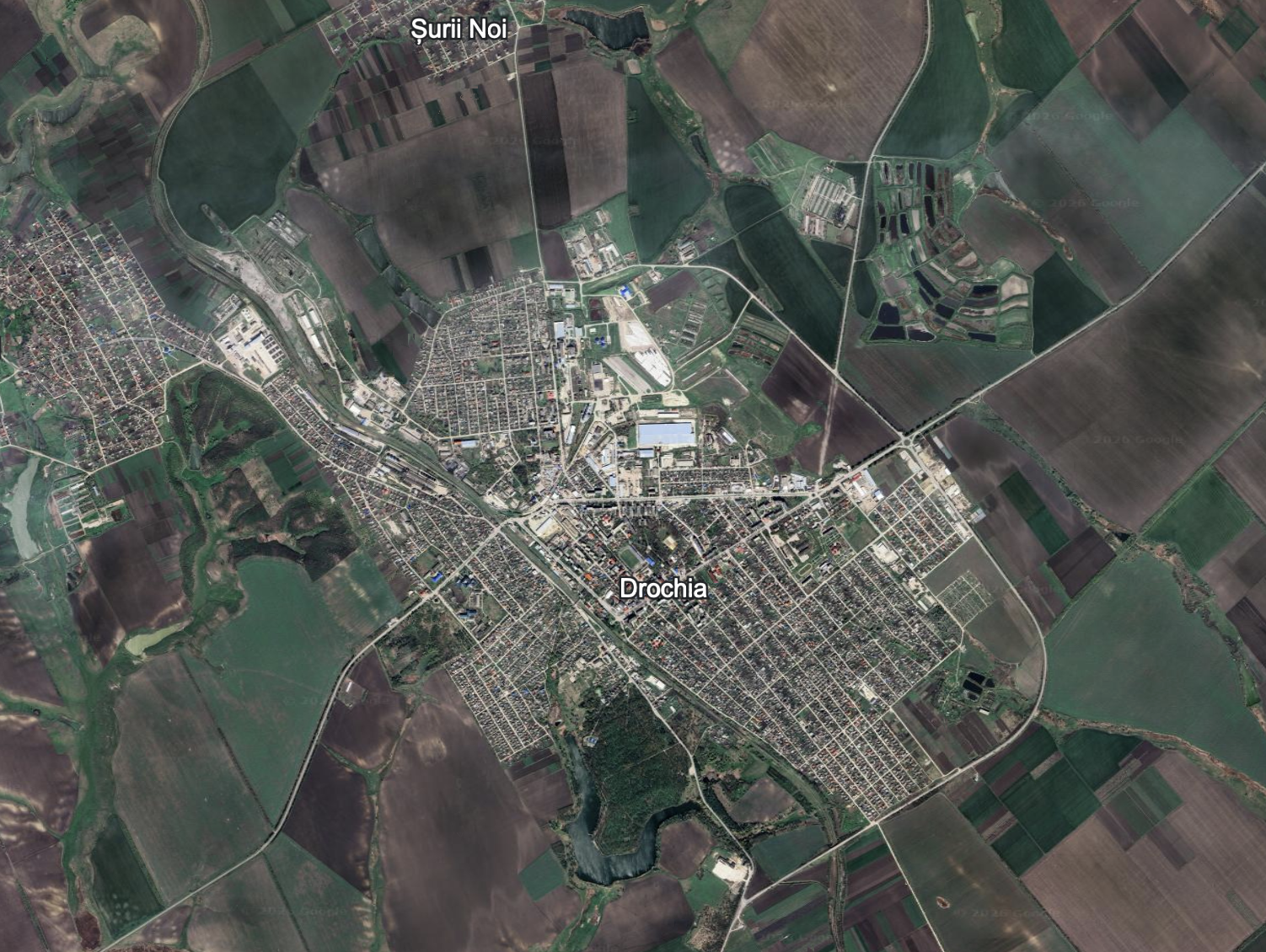
Welcome to the first Local’s Guide series, presented by Analog-Tales. The first in the series is the town of Drochia, located in Northern Moldova, xx km from Balti.
My passion for starting this journey with Drochia stemmed from the fact that my father was born and grew up here, which meant I could come to Drochia very often. With every visit, Drochia grew older and more derelict. Even at a young age, I always asked myself, why is Drochia the way it is? Did it have a time of glory? If so, when and how? My childhood mind remembers the derelict buildings, overgrown public parks, and ruins decaying away, but I did not know what it all meant. Slowly, over the years, these imprinted memories grew louder, sparking an interest in Soviet history that eventually became a hobby of mine. I fell passionate about the former times, the quote-on-quote ‘glory days’ of Moldova. Like an archaeologist, I began to dig… metaphorically, I visited Drochia more often, talked to the locals, and documented all that I could.
The ignorance of history is so predominant in Moldova, and it originates from Moldova’s own policy of tourism and the doubtful ideology of the Ministry of Culture. Please, for your interest, check the following link and count how many Soviet-era buildings are mentioned. There are none. By ignoring these buildings and their historical value, we build and cement ignorance for future generations. Children growing up now will be indifferent to these Soviet buildings, to the point where history is completely erased for the sake of another mall or apartment complex. From my multiple journeys across the country, destruction is everywhere, either from privatization, ignorance, or bluntly robbery. An example of corruption occurred in the 2010s in Tarigrad, where a large bronze WW2 memorial was stolen at night. A robbery of this scale most likely involved officials. The criminals were never found.
To encourage change, whether nationally or locally, I hope that drawing attention to this ‘obscure’ Soviet infrastructure through the Locals’ Guide will spark more discussions about restoration and funding. Drochia is a town that flourished in Soviet times; there is no doubt about it. The former Soviet empire left behind ruins spread all across the town, from Pioneer camps to a Soviet bathhouse.
Drochia is ideal for the Soviet Traveler to explore the secrets of northern Moldova, with most of these places not to be found online. Obtain the digital Analog-Tales Tourist Medal by emailing us that you have completed the journey through pictures :)). If you locate points of interest that are not to be found in the Local’s Guide, please email us right away, and we will add them!
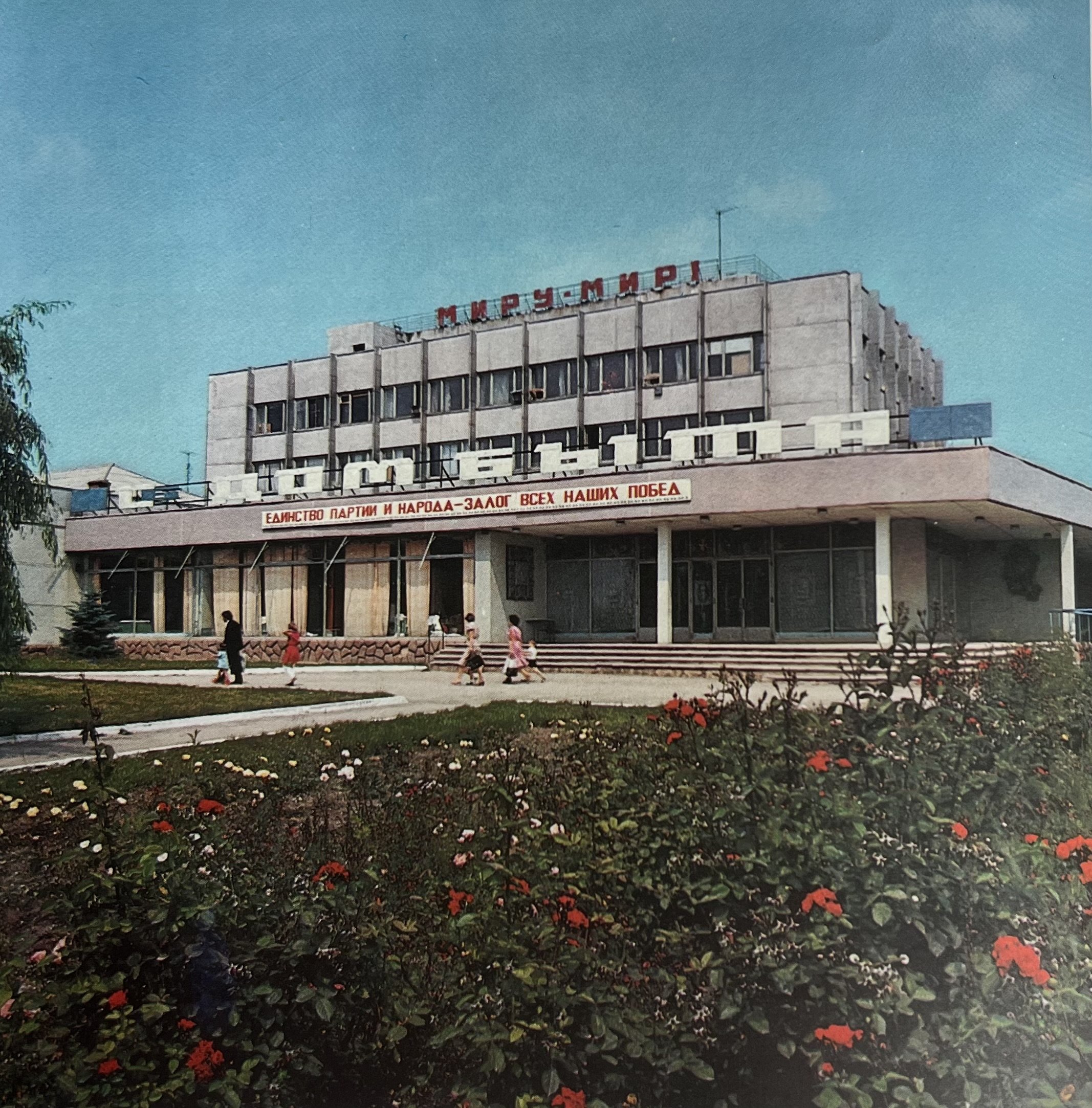
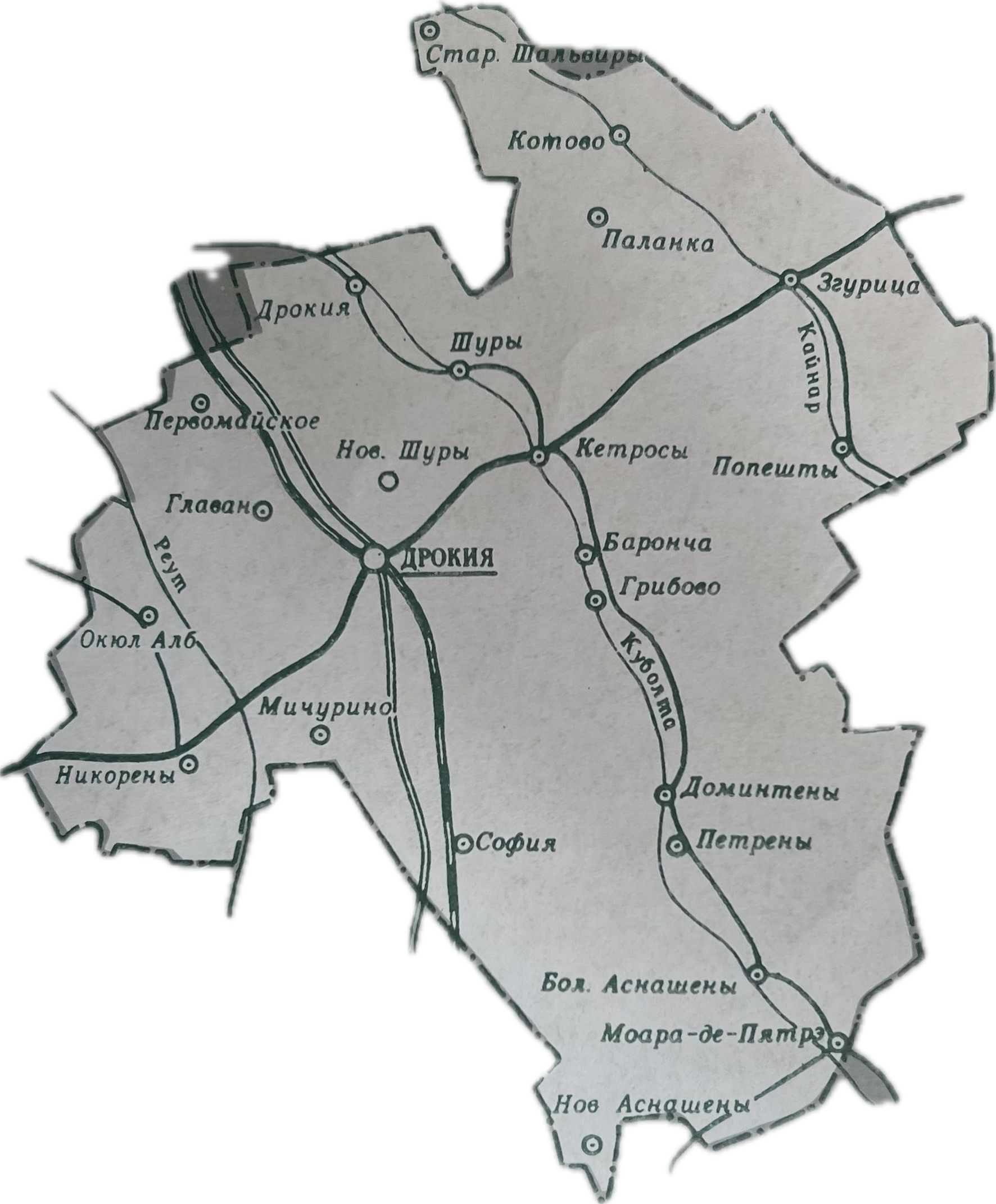
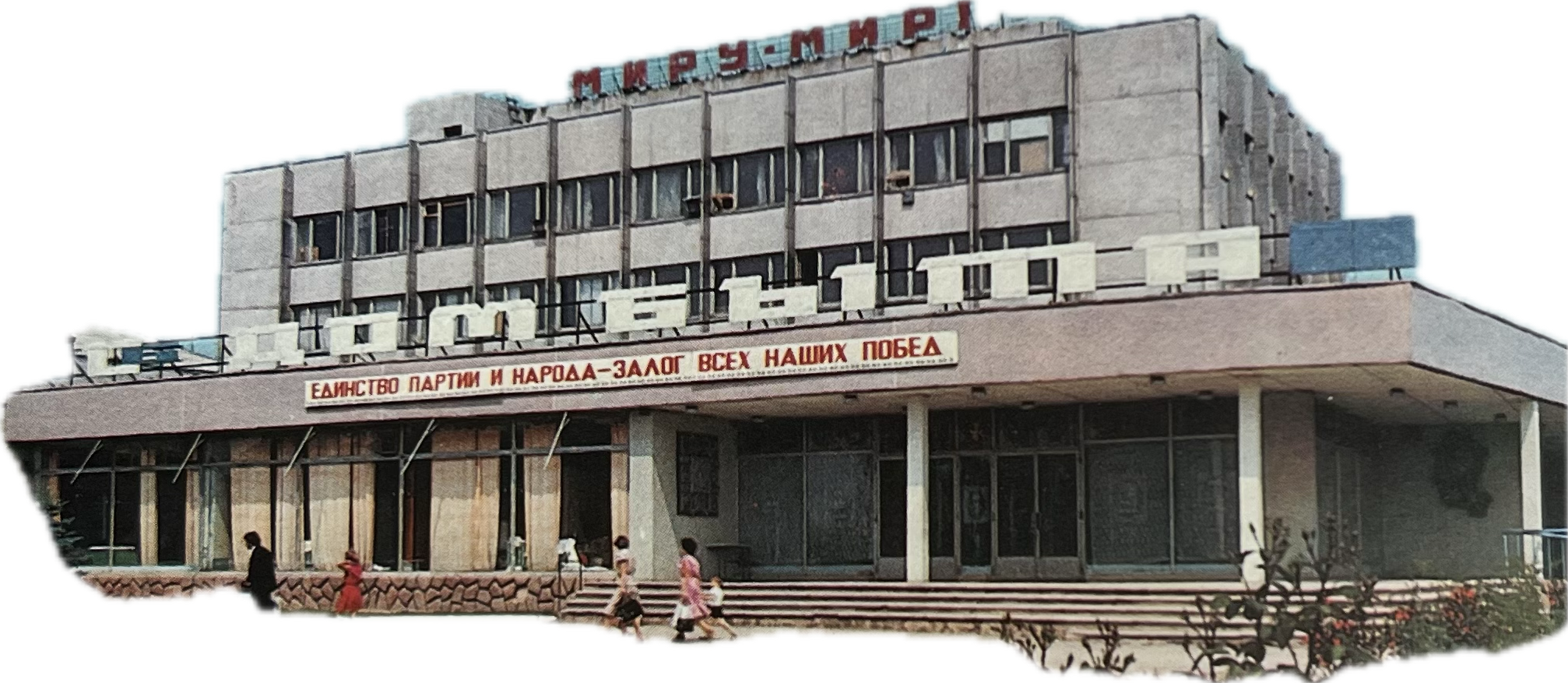
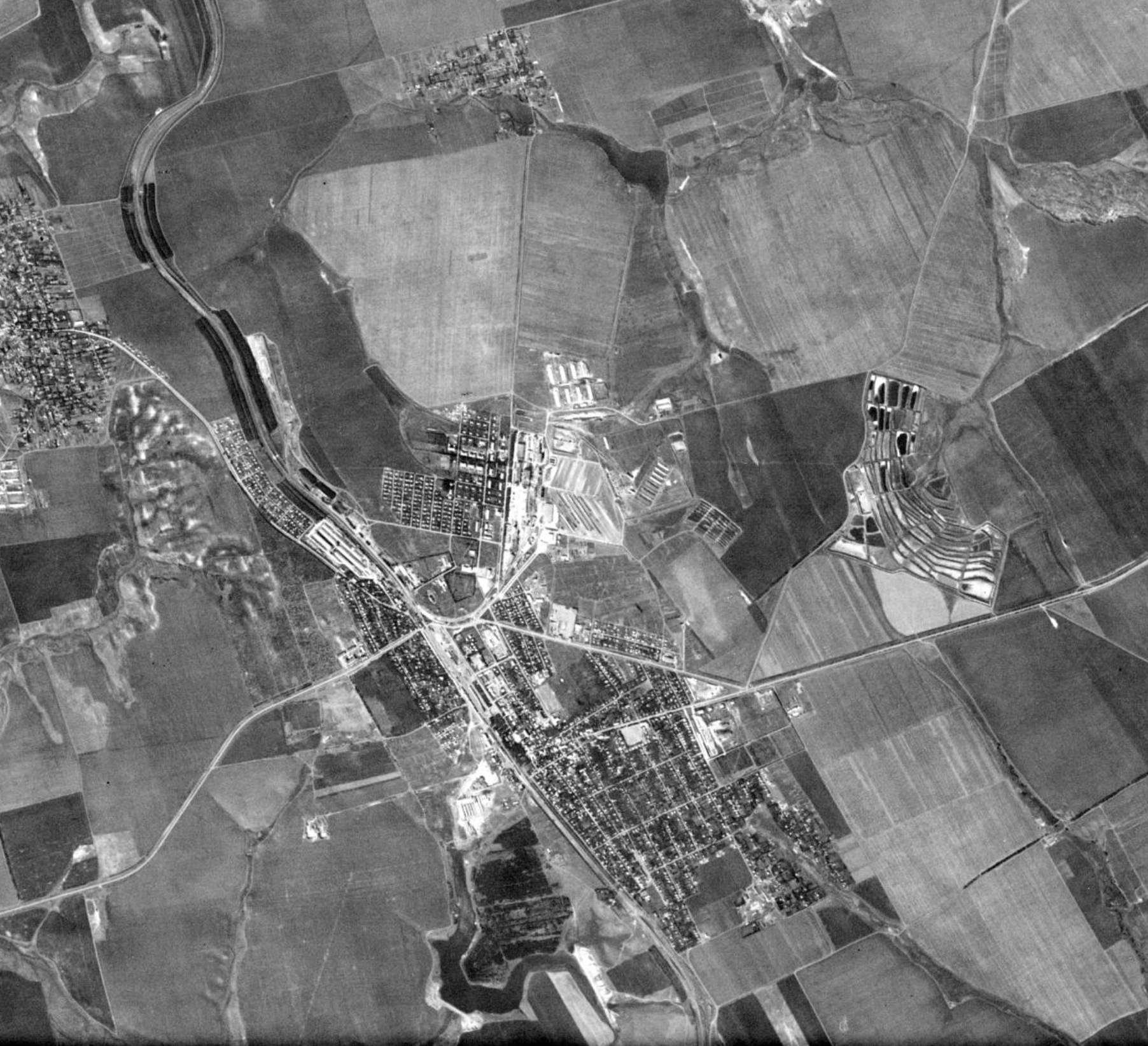
1944: The Red Army liberated Drochia on the 23rd of March, 1944; while the exact date is debated, clues to its accuracy lie in the battle at Drochia Station. A fierce battle took place in the vicinity of the train station; as the Germans were on the retreat, they had accumulated their armory and supplies on wagons to send to Balti. Thus the station became a strategic point of contact for the Red Army. A battle ensued; Soviet soldiers were wounded and later died. Many of whom earned the title ‘Hero of the Soviet Union’.
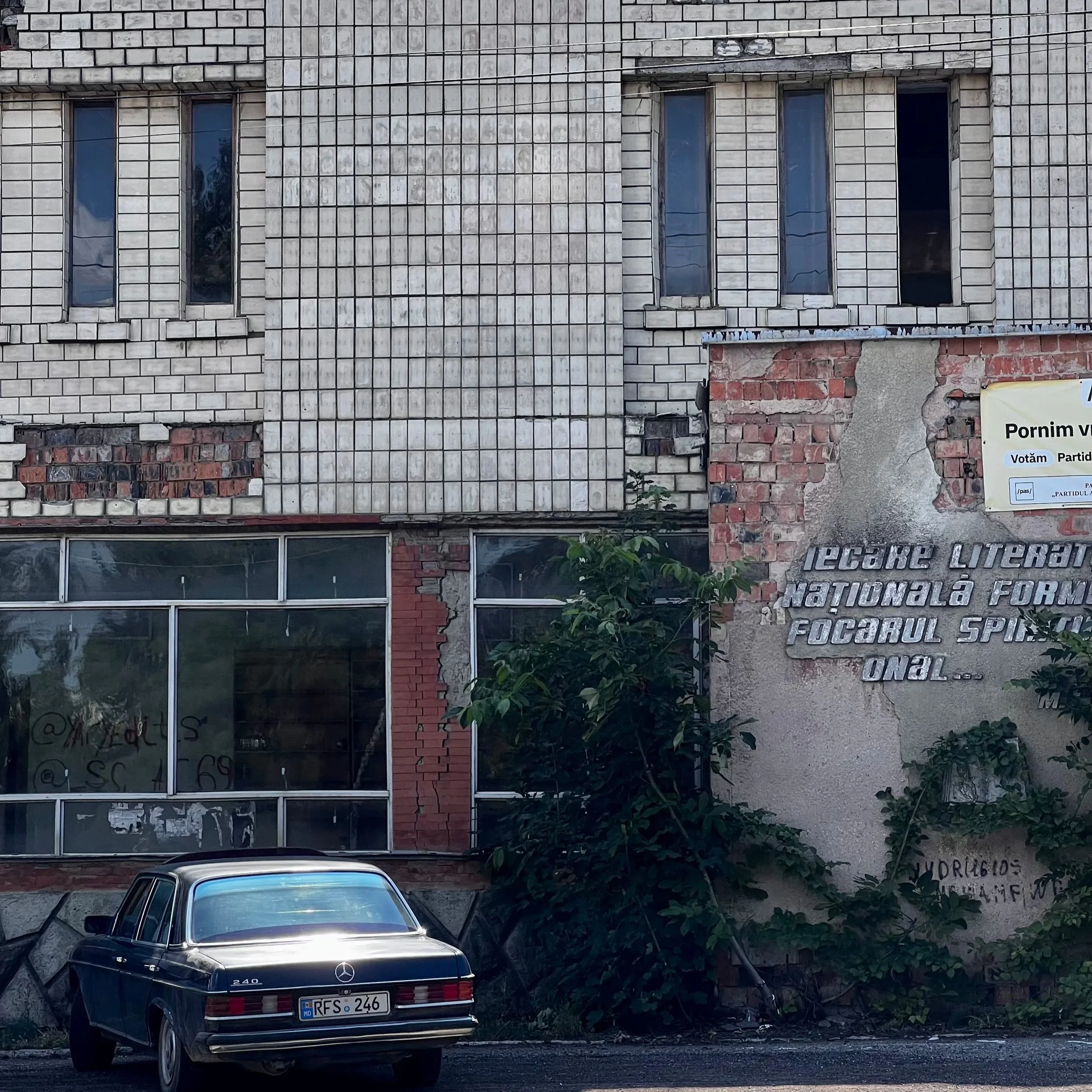
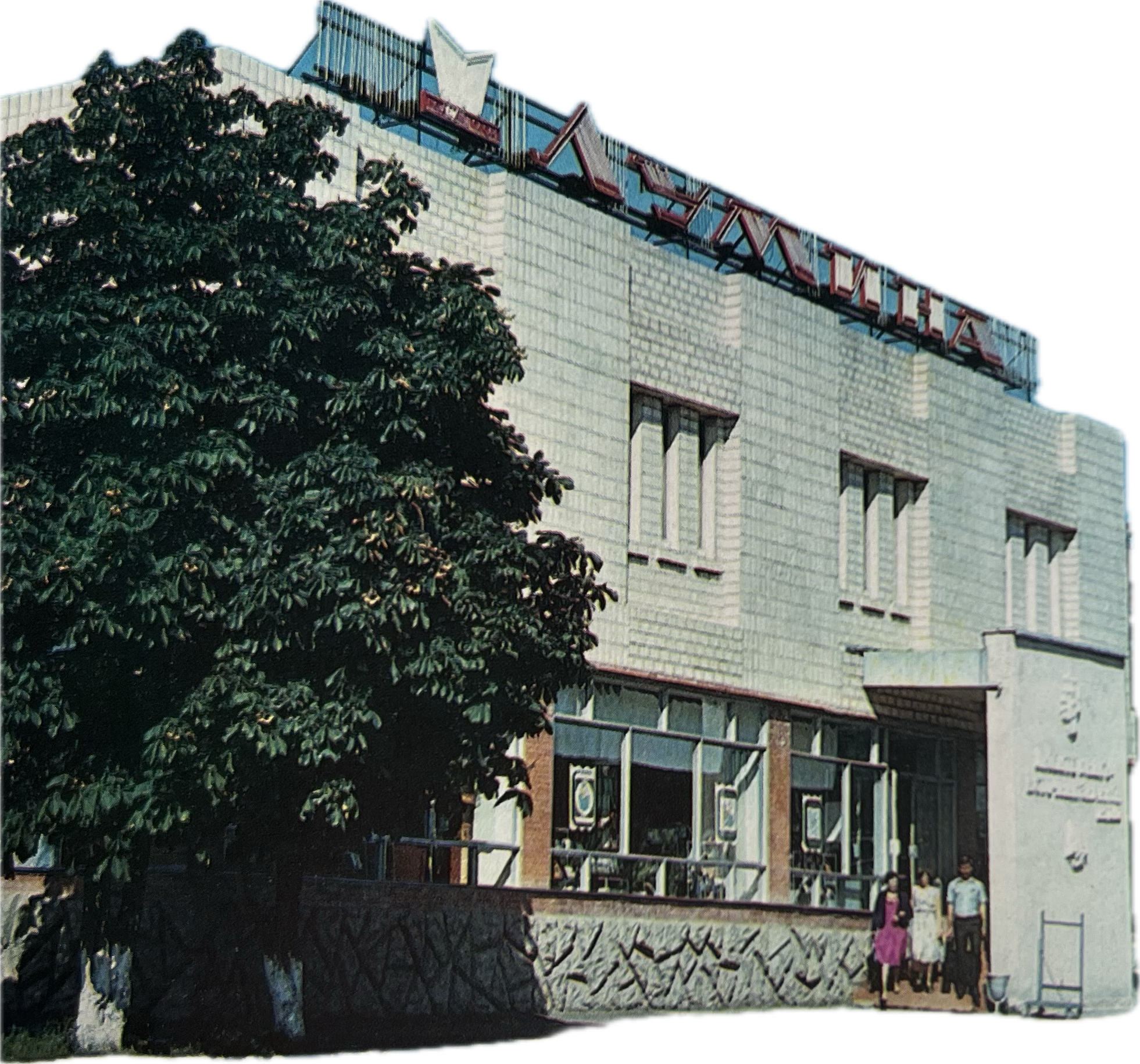
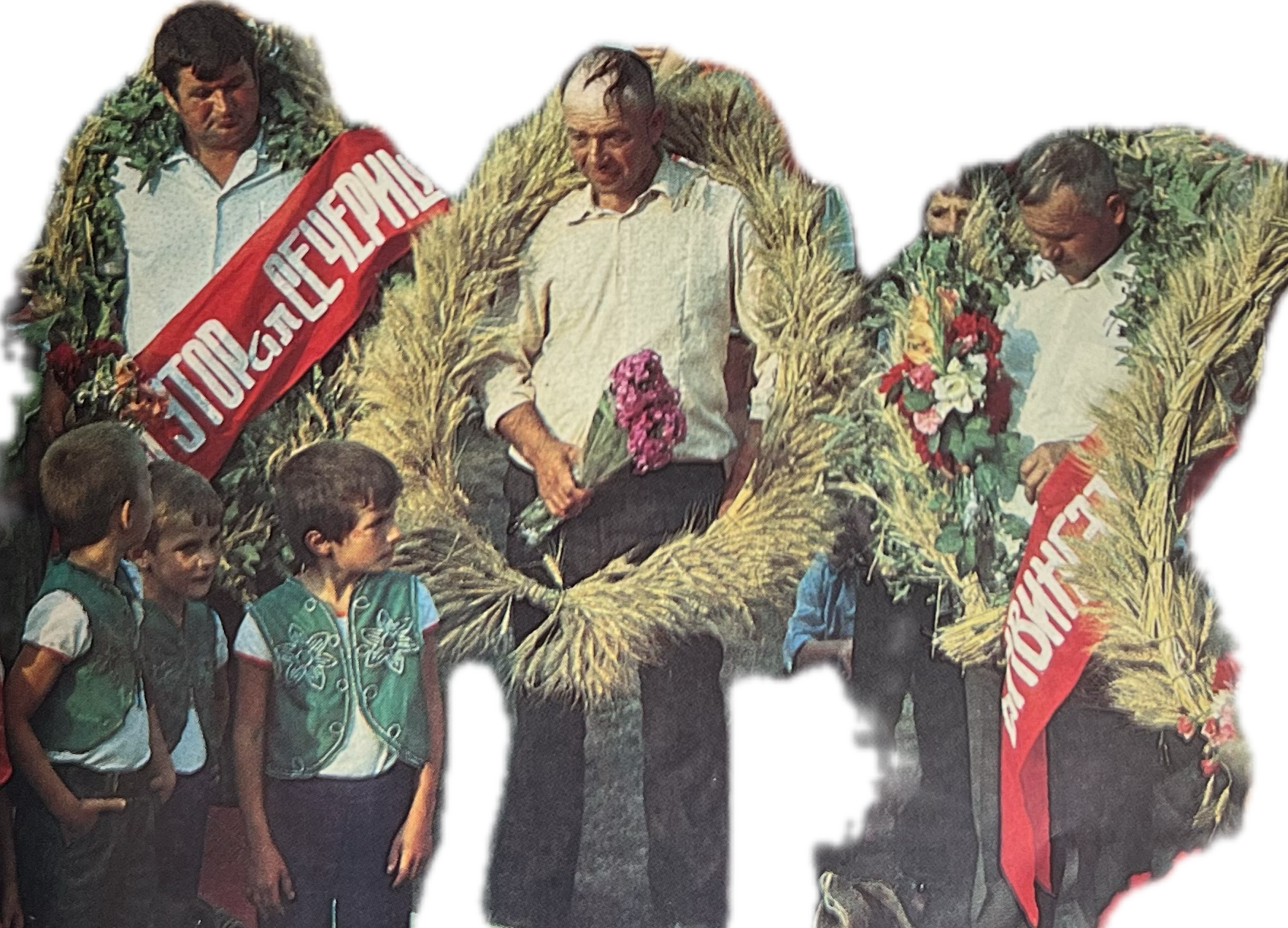
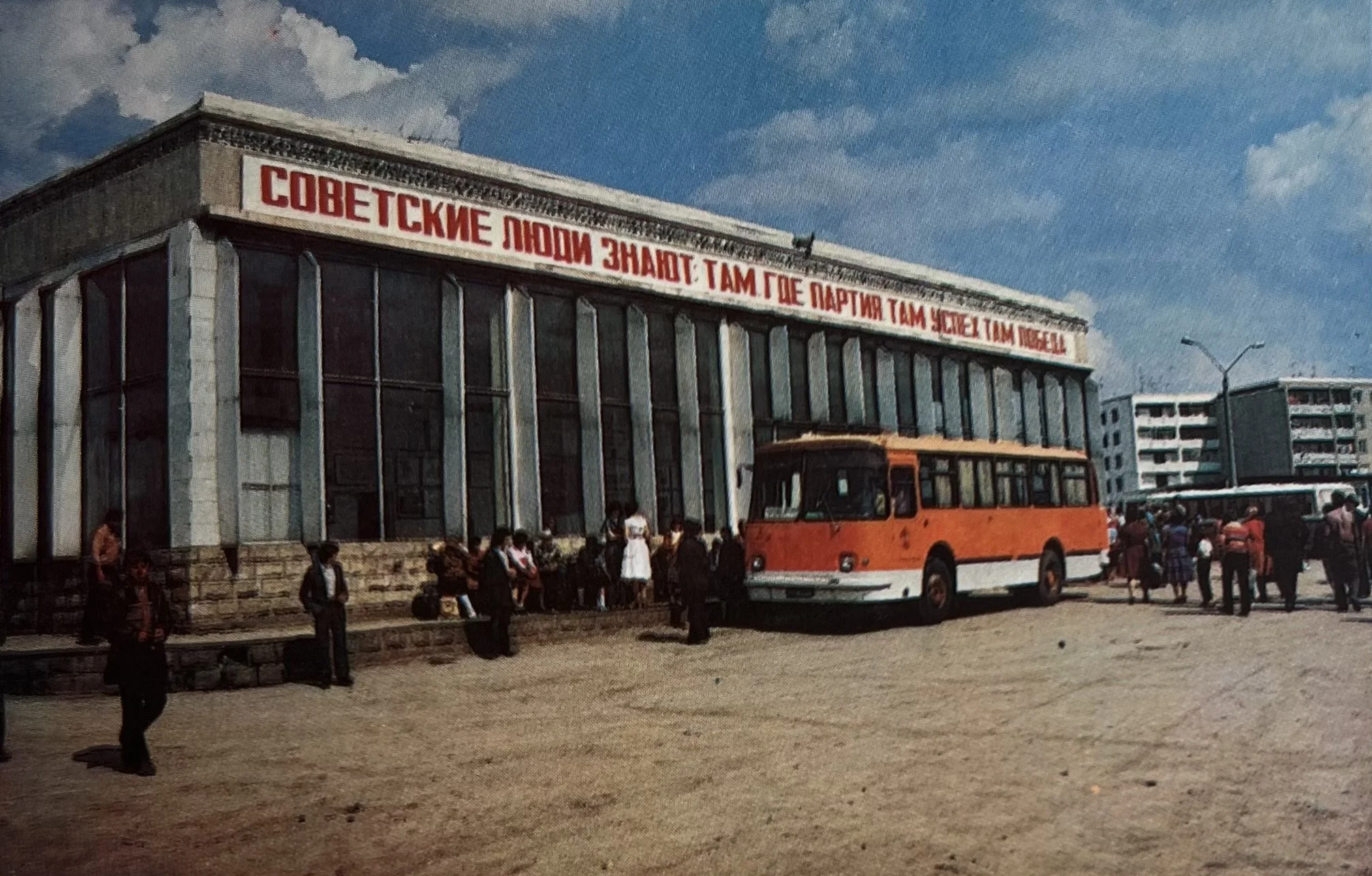
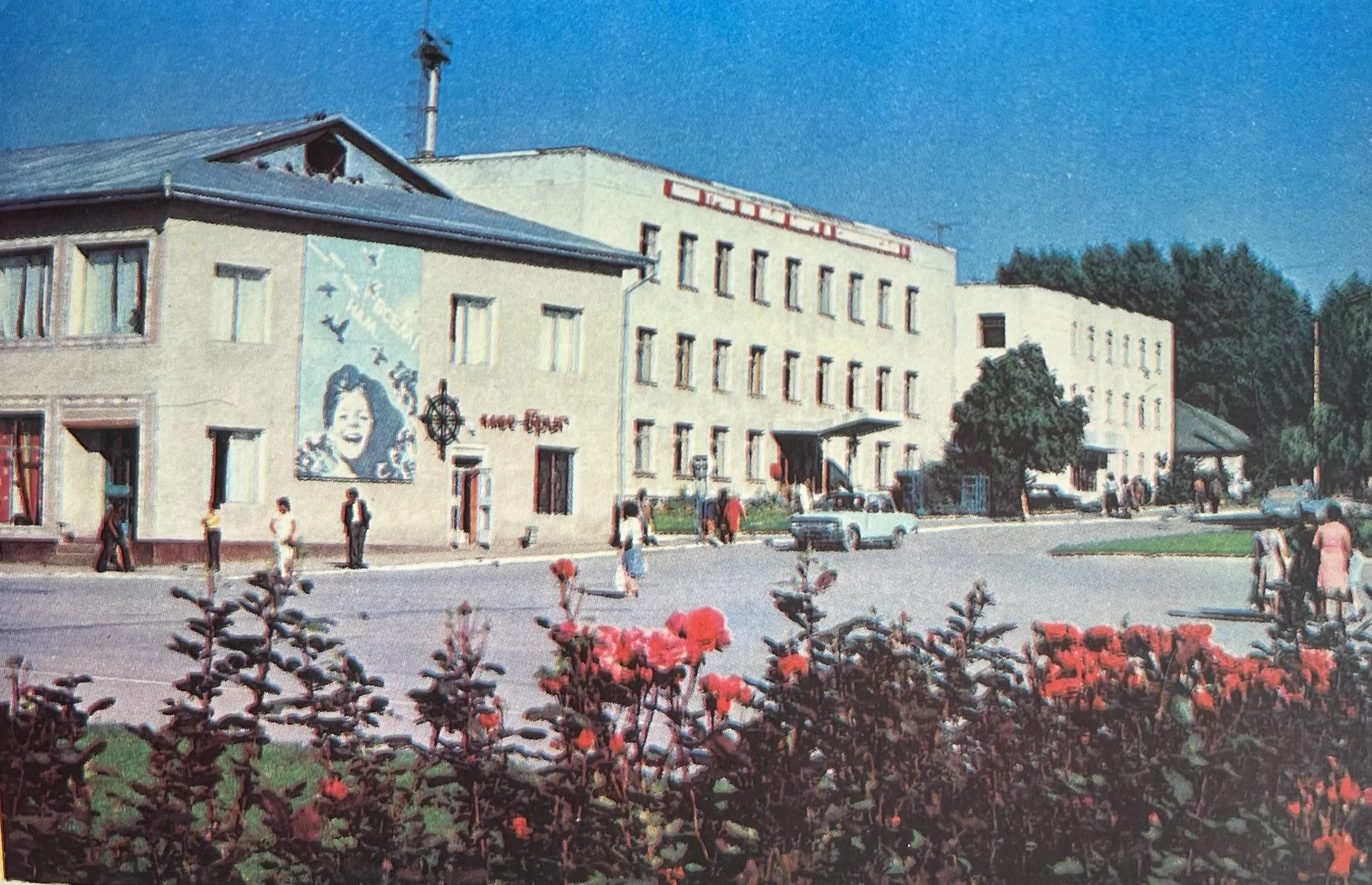
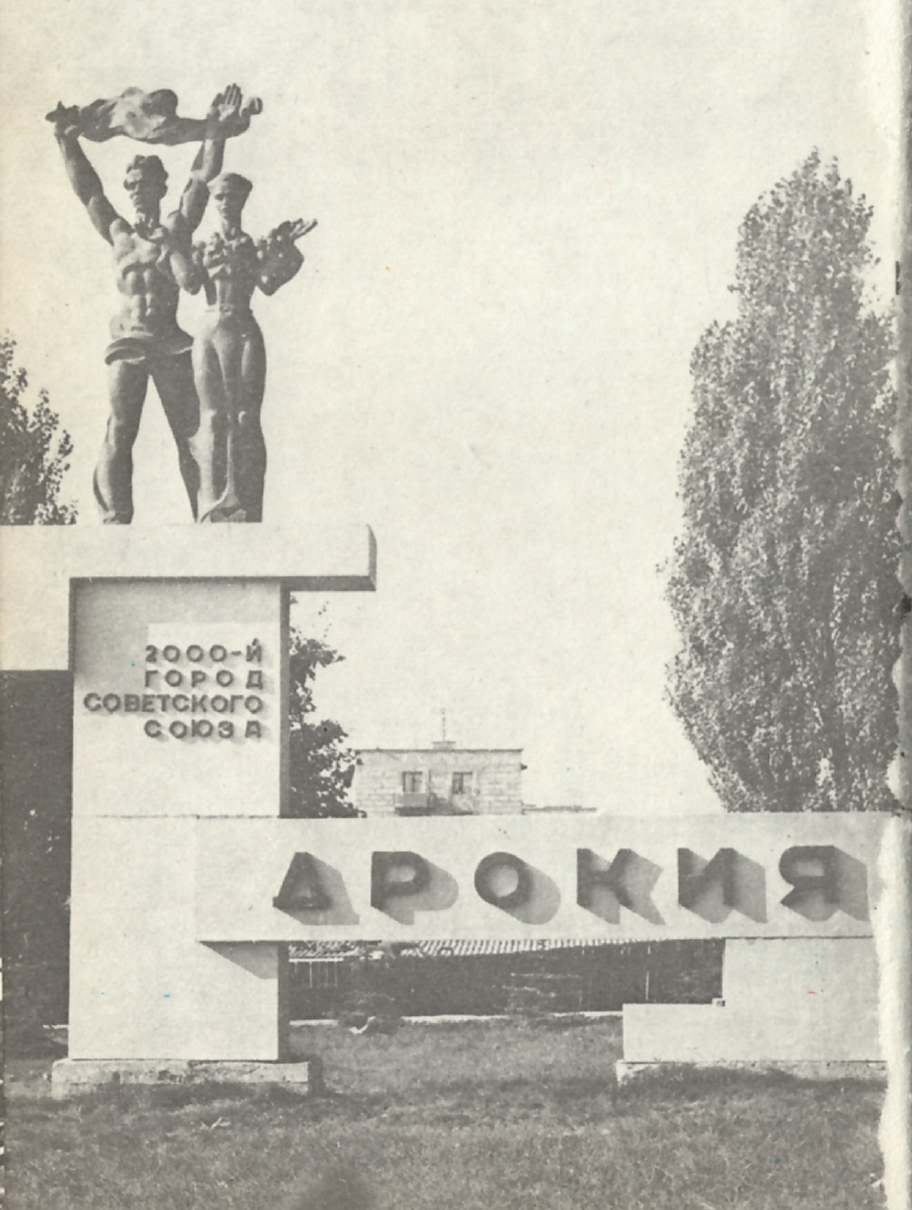
Overview: Soviet Drochia was the 2000th city in the Soviet Union - which was once written on the city gates welcoming you from Soroca. Drochia was noted as one of the youngest towns in Northern Moldova, primarily due to its industrial output during the Soviet era. Drochia was home to an abundance of nationally important factories, including the biggest Sugar Factory (in the republic), the Tobacco Factory, Furniture Factory No.5, Brick Factory No.1, the Bread Factory, and many others. Due to the high output, Drochia developed quickly, attracting people from all around Moldova to work in the Drochia District. After 1991, most of these factories and industries were privatized, leading to their complete deterioration; the majority are now abandoned and forgotten, with the ruins serving as a window into what built Drochia.
Timpul, 1986 ‘Drokyia’ Pamphlet Extract:
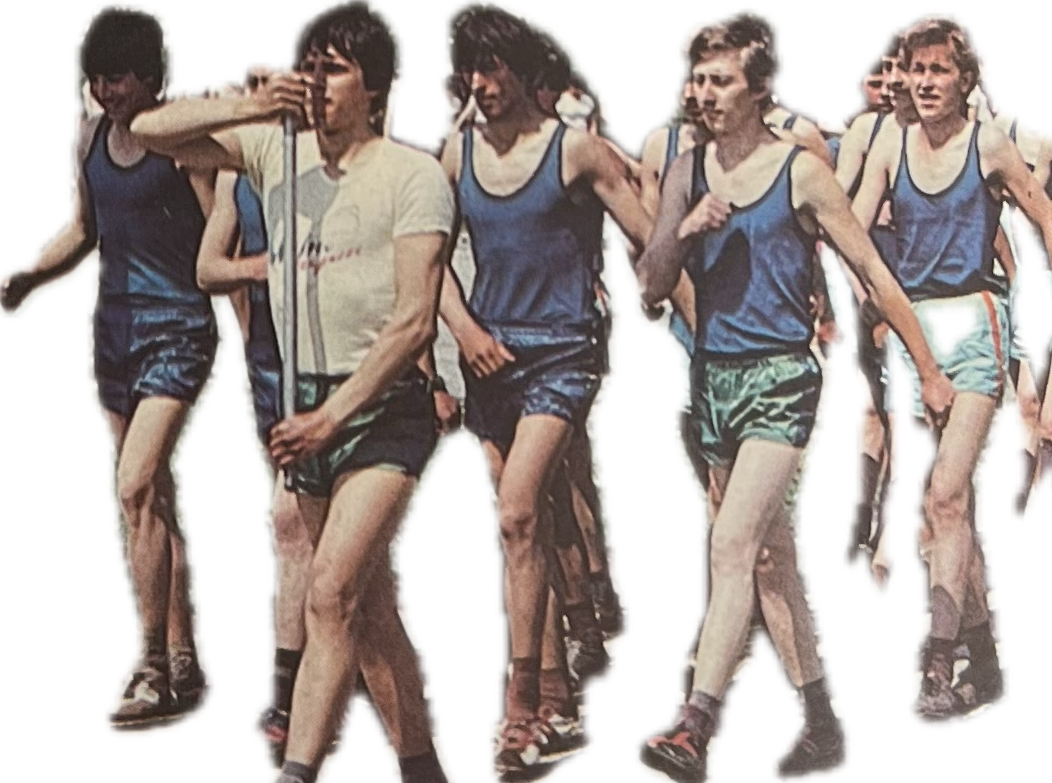
It's a modern town where the industrial enterprises are situated, and the citizens of Drokyia [Drochia] are proud of them. It’s for example, the specialized furniture factory, producing furniture for schools. The school blackboard, manufactured here, has been praised highly at the Exhibition of National Achievements of the USSR. The biggest sugar plant is also situated in Drokiya. And there are plenty of others, which offer their services to the people: the bread-baking plant, the fleet of motor vehicles...To make the long story short, Drokiya has everything what a modern town should have. There are two Palaces of Culture, three secondary schools, a special training school, music school, art and sport schools, three libraries and a stadium. And the hospital could have done credit even to a bigger city. The new polyclinic has the latest medical equipment.
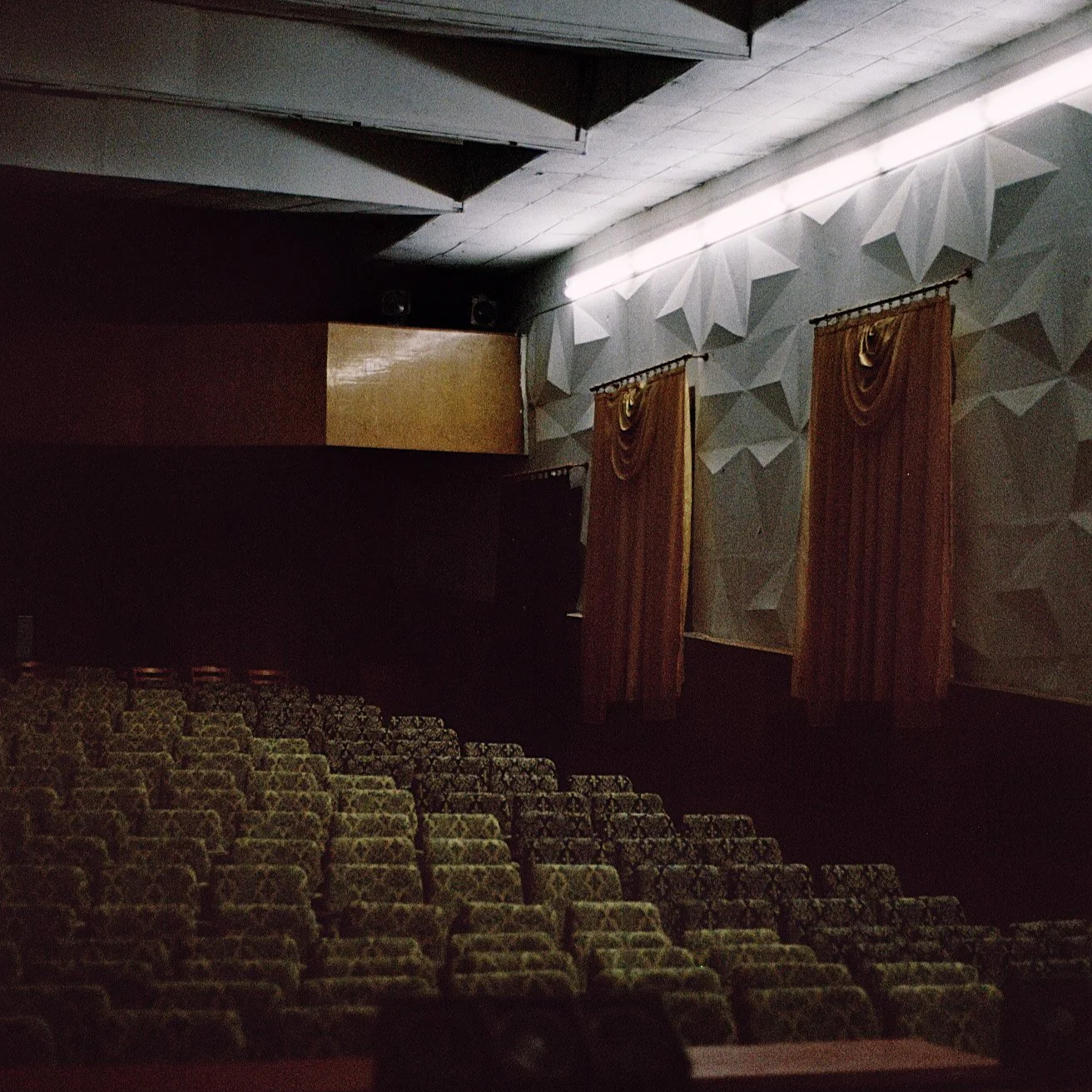
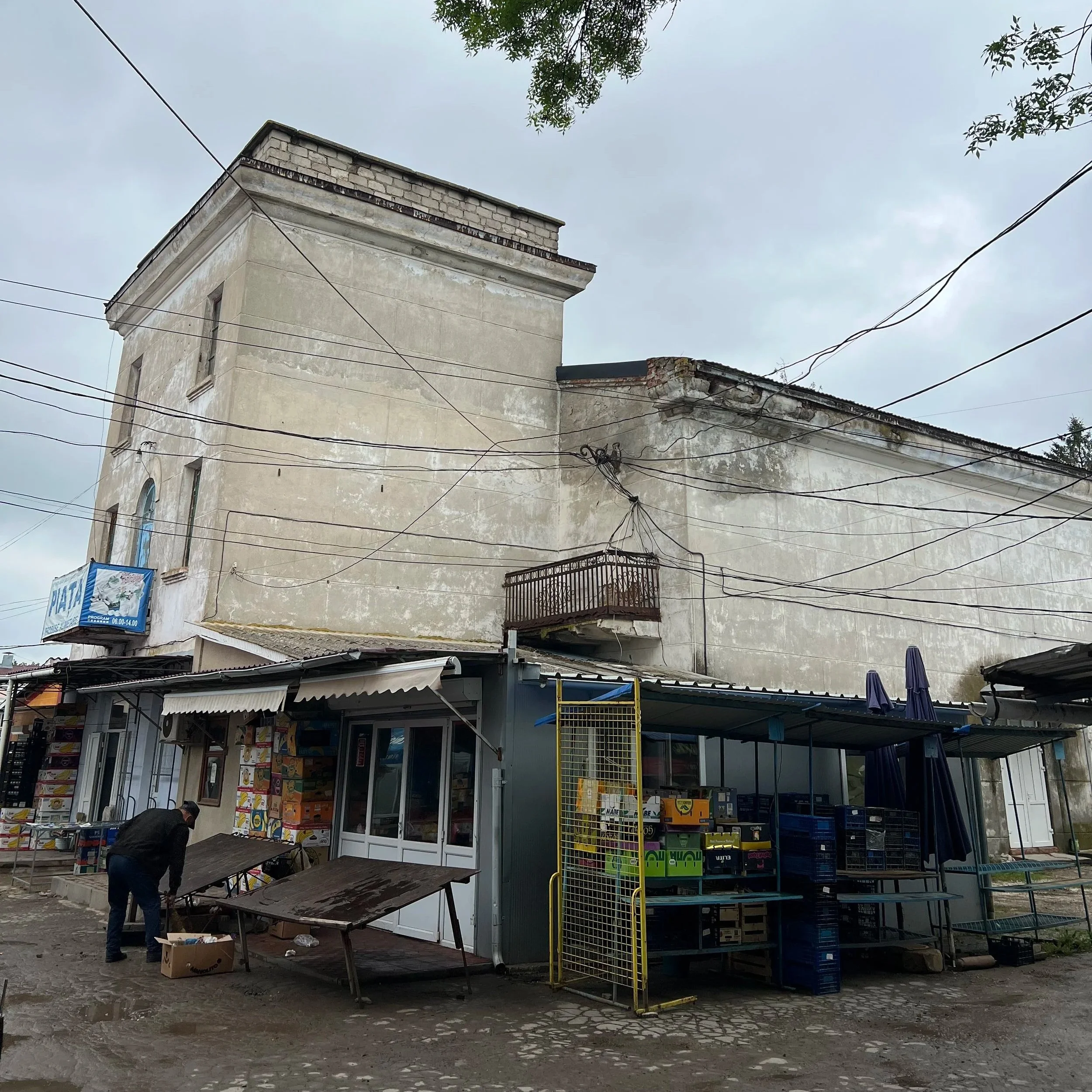
2025 r.
TOP 5 MUST VISIT